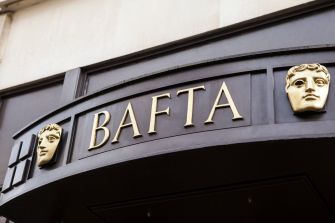
The chair of the U.K. Parliament’s Culture, Media and Sport Committee has formally requested answers from the BBC after a racial slur was aired during the delayed broadcast of the 2026 BAFTA Film Awards.
Caroline Dinenage wrote to outgoing BBC Director-General Tim Davie seeking an explanation for how the n-word was transmitted despite a two-hour delay between the live ceremony and its broadcast on BBC One. The slur was shouted during the ceremony by John Davidson, a Tourette’s campaigner whose condition includes involuntary vocal tics.
In her letter, Dinenage questioned the adequacy of the broadcaster’s editorial safeguards. “I am seeking an explanation as to how the slur came to be broadcast in spite of a two-hour time delay,” she wrote, also referencing previous concerns raised with the BBC over the airing of offensive language, including antisemitic remarks during coverage of last year’s Glastonbury Festival.
Dinenage asked what systems are in place to prevent such incidents and why those controls failed in this instance. She further requested clarification on whether the BBC had implemented lessons from prior controversies.
The incident occurred as actors Michael B. Jordan and Delroy Lindo took the stage to present the award for best visual effects. The ceremony had been recorded earlier in the evening, partly to allow for the removal of controversial remarks before transmission. Indeed, a separate reference to “Free Palestine” made during an acceptance speech did not appear in the televised version. However, the racial slur remained audible in the broadcast and was also initially available on the BBC’s iPlayer streaming platform before being removed.
The BBC acknowledged the error and said it had launched a fast-tracked internal investigation through its Executive Complaints Unit. In a statement, a spokesperson described the broadcast as “a serious mistake” and said the director-general had ordered a full review.
Sources cited by media outlets suggested that the production team, working in a busy editing environment, did not hear the slur during post-production. That account has been disputed by individuals present at the ceremony, including executives from Warner Bros., who reportedly raised concerns immediately after the outburst. Production designer Hannah Bleacher, whose film “Sinners” was nominated, stated publicly that she heard the slur multiple times during the evening.
Davidson had earlier shouted other profanities during the ceremony. According to reports, he voluntarily left midway through the event. BAFTA sources have said he was an invited guest and would not have been asked to leave due to his medical condition.
While many have expressed sympathy for Davidson, criticism has focused on both BAFTA and the BBC for failing to remove the language prior to broadcast. The BBC said the offensive language resulted from involuntary tics associated with Tourette’s syndrome and was not intentional, but acknowledged that it should not have been aired.
The controversy follows scrutiny last summer when the BBC broadcast antisemitic remarks made by a performer at Glastonbury, despite being aware of the risk. BBC chair Samir Shah later described that decision as an “error of judgement.”
The timing is particularly sensitive for the corporation. The BBC’s Royal Charter, which defines its governance and funding structure, is currently under review. The broadcaster is primarily funded through the U.K.’s license fee system, which requires payment from households that watch live television or use iPlayer. The future of that funding model is expected to be part of the review.
The latest incident adds to mounting pressure on BBC leadership as lawmakers assess the corporation’s editorial controls and accountability standards.