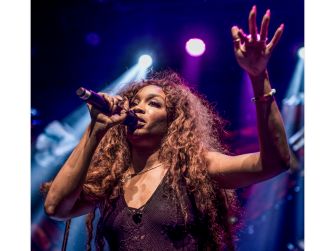
SZA has intensified her criticism of artificial intelligence in music, using a series of social media posts this week to condemn the use of copyrighted songs in AI training datasets and urge fellow musicians to reject the technology altogether.
The Grammy-winning singer said her latest frustration stemmed from discovering that hundreds of recordings associated with her catalog had reportedly been included in a music AI database. According to SZA, a search of the platform revealed 238 songs connected to her name, including material she claims has never been officially released.
The discovery prompted an angry response from the singer, who has become one of the music industry's most outspoken critics of generative AI. In posts shared to Instagram, SZA accused AI companies of exploiting artists' work without meaningful consent and criticized musicians who support the technology despite ongoing legal and ethical concerns surrounding its development.
Her comments arrive at a time when the music industry remains deeply divided over the role artificial intelligence should play in the creative process. While technology companies and some investors argue that AI tools represent the next evolution of music production, many artists, songwriters, and rights holders have raised concerns about copyright protection, compensation, ownership, and the use of creative work to train commercial models.
SZA's criticism extended beyond the technology itself. In a post shared to a private Instagram account, she also took aim at producer and DJ Diplo, alleging that he has supported companies involved in the AI music sector and arguing that influential industry figures are helping accelerate a system she believes disadvantages creators.
The comments appear to reference the growing investment activity surrounding AI startups focused on music generation. While Diplo has publicly discussed the future role of artificial intelligence in creative industries, he has also attracted attention for comments suggesting that artists will ultimately have to adapt to technological change rather than resist it.
Earlier this year, Diplo sparked debate after posting on social media that creatives who refuse to embrace AI risk being left behind. The producer argued that artificial intelligence would become an unavoidable part of the entertainment business, a position that drew criticism from artists already concerned about how the technology is being developed.
She argued that Black musicians have long driven global musical trends while receiving inadequate legal and financial protections for their contributions. In her view, the rapid growth of generative AI risks repeating those dynamics by allowing companies to build profitable products using creative work generated by communities that historically have not benefited proportionally from their cultural influence.
The debate surrounding AI training practices remains one of the industry's most contentious legal battles. In 2024, major record companies filed lawsuits against AI music platforms Suno and Udio, accusing the companies of using copyrighted recordings without authorization to train their systems. The labels argued that the practice infringes on intellectual property rights and undermines the value of artists' work.
The companies have pushed back against those claims. In legal filings, Suno argued that using copyrighted material to train artificial intelligence models falls under fair-use protections, a position that mirrors arguments made by several technology companies facing similar lawsuits across creative industries.
The outcome of those legal challenges could have significant implications for the future of music production and copyright law. At stake is a fundamental question: whether AI developers can legally use existing creative works to teach machines how to generate new content without obtaining permission from the artists and rights holders whose work forms the foundation of those systems.