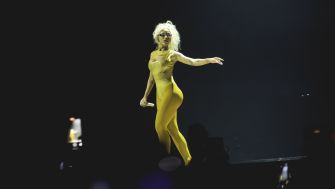
Doja Cat is pushing back against a wave of fan excitement this week after a batch of supposedly leaked songs began circulating across social media, only for the artist to reveal that none of the material actually came from her. The confusion started when several accounts on X began posting what they claimed were unreleased tracks cut from her most recent projects, framing the songs as lost material from either Vie, her fifth studio album released last year, or its predecessor, Scarlet. More than a dozen of these tracks appeared within a single day, spreading quickly enough that many fans treated them as a genuine, exciting discovery rather than something to question.
That excitement didn't last long once Doja Cat addressed the situation directly. She took to X to clarify that the songs were not real recordings of hers at all, but AI-generated fabrications designed to mimic her voice and style. She expressed frustration that so many listeners had been fooled, making clear she had no involvement in creating the tracks and was unhappy to see her name attached to them.
Despite the takedowns, the damage to public perception had already partly been done. Before several of the posts were removed over copyright concerns, they had collected substantial engagement, racking up thousands of views and likes in a short window. Some fans openly admitted they enjoyed the fake songs regardless of their origin, with one listener crediting one of the AI-generated tracks for improving their mood, seemingly unbothered by the fact that it wasn't actually a Doja Cat recording at all. That kind of reaction underscores a growing tension in how audiences engage with AI-generated music: even when content is revealed to be fabricated, some listeners are willing to embrace it anyway if it sounds convincing enough.
The episode arrives just days after another prominent artist, SZA, raised similar alarms about the unauthorized use of her catalog to train AI systems. SZA revealed that more than 200 of her own songs had reportedly been used without her consent to train generative AI models, prompting a furious response on Instagram in which she condemned musicians who support or participate in such practices. Her criticism extended beyond her own situation, specifically highlighting concerns about how Black artists and producers are being disproportionately mined for their creative output by AI companies. She argued that Black musicians have historically shaped global music trends while receiving little legal, financial, or creative protection, making their work especially vulnerable to being absorbed into AI training data without compensation or acknowledgment.
SZA's comments also took direct aim at AI music platforms like Suno, which has faced mounting criticism from artists and producers who argue that the technology profits by replicating styles built from years of human artistry and labor. That criticism intensified further when producer Kenny Beats publicly blasted Suno in a pointed social media post, accusing the company and its leadership of profiting directly from the erosion of musicians' livelihoods. He didn't hold back in his assessment, suggesting that anyone working for or benefiting from the platform should feel ashamed knowing their business model depends on undermining the work of artists who are already struggling to make a living in the industry.
Together, these incidents reflect a rapidly intensifying debate within the music industry over AI's growing ability to convincingly imitate real artists, and the lack of clear safeguards currently in place to prevent it.