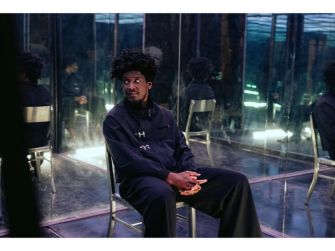
British musician and composer Labrinth, whose work became closely associated with the sound and emotional tone of HBO’s Euphoria, drew attention this week after posting a short but pointed message on social media expressing frustration with both the series and the music industry.
In the post, the artist wrote that he was “done with this industry,” while also directing criticism toward his label, Columbia Records, and Euphoria. He did not provide additional context, and the reason behind the statement remains unclear.
The timing is notable. The comments surfaced roughly a month before the planned April 12 premiere of the show’s third season, a continuation that has been highly anticipated following a lengthy production gap after Season Two concluded in 2022.
Labrinth has been widely credited as a key creative force behind Euphoria’s musical identity. His score and original songs helped shape the show’s atmosphere, often serving as an emotional undercurrent to its most pivotal scenes. His work on the series also expanded his profile beyond the music industry into television composition, where his experimental approach to scoring drew critical attention.
Despite his recent remarks, Labrinth had previously been announced as part of the Season Three music team. In 2024, it was confirmed that he would collaborate with Academy Award-winning composer Hans Zimmer on the new season’s score. At the time, both artists spoke positively about the partnership, with Zimmer acknowledging Labrinth’s role in defining the show’s sound and Labrinth describing the collaboration as a meaningful professional opportunity.
It is currently unknown whether his recent comments affect that involvement.
Representatives for Labrinth, HBO, and Columbia Records have not publicly commented on the situation. No clarification has been issued regarding whether the message reflects a temporary frustration or signals a more permanent separation from the project.
The third season of Euphoria has experienced a complex development process. Industry strikes, scheduling logistics involving its high-profile cast, and reported creative recalibrations all contributed to the extended gap between seasons. Such delays are increasingly common among large-scale television productions, particularly those involving major talent commitments across film and streaming projects.
Within the broader entertainment landscape, public frustration from artists toward record labels and studios is not unusual, particularly as conversations around ownership, compensation, and creative autonomy continue to evolve. However, without further explanation from Labrinth, it remains speculative to draw conclusions about the specific cause of his comments.
For now, the situation remains unresolved. Labrinth’s music has been an integral component of Euphoria’s identity since its debut, and any change in that collaboration would represent a notable shift for the series. Whether his comments will have practical implications for the upcoming season may become clearer as the premiere date approaches.
Until then, neither the composer nor the companies involved have provided further details, leaving observers to wait for a more complete picture of what prompted the statement and what it may mean for his future work in television and music.