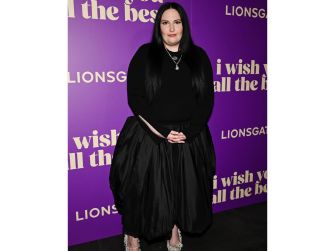
Lena Dunham is offering a more complicated account of her working relationship with Adam Driver during the production of Girls, describing moments of volatility alongside a deeply engaged creative partnership.
In her forthcoming memoir, Famesick, Dunham, who created and starred in the series, writes that Driver’s intensity as an actor sometimes translated into behavior she found difficult to manage on set. The HBO show, which aired from 2012 to 2017, built much of its emotional weight around the relationship between Dunham’s Hannah Horvath and Driver’s Adam Sackler, a dynamic defined by unpredictability and emotional extremes.
According to Dunham, that tone occasionally extended beyond the script. She describes instances in which Driver became verbally aggressive during rehearsals, including one episode in which he allegedly shouted at her and threw a chair against a wall while she struggled through a scene. In another early-season moment, she recalls feeling that a filmed sequence escalated beyond what she had intended as both a performer and director, leaving her briefly unsure of her authority in the situation.
Dunham does not characterize these moments as straightforward misconduct, instead framing them as part of a broader tension tied to the demands of the work. She writes that Driver’s approach to acting, marked by emotional immersion and unpredictability, could be destabilizing, particularly in a production environment where she held multiple roles.
At the same time, her account emphasizes that the relationship was not defined solely by conflict. She describes Driver as, at times, attentive and supportive, particularly during periods when she was under personal or professional strain. That duality, volatility paired with care, is a recurring theme in her recollection of their time working together.
The memoir also touches on the personal boundaries that developed between them over the course of the series. Dunham reflects on the intensity of their on-screen connection and the extent to which it shaped her perception of their off-screen dynamic. She recounts feeling emotionally affected upon learning of Driver’s engagement to Joanne Tucker, describing the reaction as disproportionate but rooted in the closeness of their creative collaboration.
By the end of Girls, Dunham suggests that whatever connection existed between them had narrowed strictly to the work. She recalls a final exchange after filming their last scene together, but notes that the two have not remained in contact since the series concluded.
Girls remains a defining series of its era, often cited for its unfiltered portrayal of relationships and emotional vulnerability. The new details offered in Famesick suggest that some of that intensity may have been reflected, in part, in the environment in which the show was made.
A representative for Adam Driver has not commented publicly on the claims described in the memoir.