As the release of the Michael biographical film brings renewed attention to the life and legacy of Michael Jackson, one of the central figures from the 2019 documentary Leaving Neverland has spoken publicly in support of survivors of childhood sexual abuse.
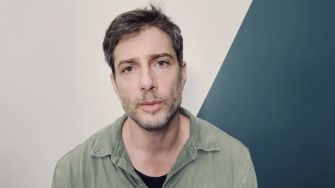
James Safechuck, who appeared in Leaving Neverland alongside Wade Robson, shared a video statement addressing what he described as a potentially difficult moment for survivors. The statement comes amid widespread promotion of the new film, which has drawn both strong box office interest and renewed scrutiny over its portrayal of Jackson’s life.
Safechuck alleged in the 2019 documentary that Jackson abused him during his childhood between 1988 and 1992. Jackson denied all allegations of misconduct during his lifetime. The broader legal battle involving Safechuck and Robson has continued for years, with a $400 million lawsuit against the Jackson estate now expected to proceed to trial in November.
In his recent remarks, Safechuck said the heightened visibility surrounding the film, including advertising campaigns and public praise for Jackson, could be emotionally triggering for survivors who have experienced similar forms of abuse.
“The Michael movie is coming out and it’s getting a lot of promotion and there’s billboards and commercials and people praising Michael,” Safechuck said in the video. “It can be triggering for survivors who have their own Michael in their lives, whether it’s the priest who’s close to God or the sports coach who’s just helping the kids or the step-parent who’s supporting the family.”
He added that public admiration for alleged abusers can complicate the healing process for victims. “Our abusers are praised sometimes, even after we come out and tell the truth,” he said.
Safechuck emphasized that his intention in speaking out, both in the documentary and in his current statement, is to connect with and support other survivors rather than focus solely on Jackson himself. In previous interviews, he has stated that his participation in Leaving Neverland was motivated by a desire to shed light on the broader experience of abuse survivors.
In his latest message, he reiterated that aim, encouraging individuals who may be struggling to seek support and remain connected to trusted people in their lives.
Below is Safechuck’s full statement:
“Hi there. I wanted to connect with other survivors of childhood sexual abuse. The Michael movie is coming out and it’s getting a lot of promotion and there’s billboards and commercials and people praising Michael. It can be triggering for survivors who have their own Michael in their lives, whether it’s the priest who’s close to God or the sports coach who’s just helping the kids or the step-parent who’s supporting the family. Our abusers are praised sometimes, even after we come out and tell the truth. And I just wanted to let you know that you are not alone and that there are other survivors out there that understand what you’re going through and that are there with you. And that if you’re feeling all the feels, then lean into people that are close to you, lean into people that support you and that give you love, and know that you’re not alone. And that telling the truth and telling what happened is a good thing, and that it’s a part of your healing. Alright, I love you, bye.”
The release of Michael has also prompted renewed commentary from Dan Reed, who directed Leaving Neverland. Reed has publicly criticized the film for omitting references to the allegations against Jackson, arguing that audiences, particularly younger viewers, may leave with an incomplete understanding of the artist’s history.
The intersection of the film’s commercial success and the ongoing legal and cultural debates surrounding Jackson underscores the continued complexity of his legacy. For Safechuck, however, the focus remains on providing reassurance and solidarity to those who may find the current moment challenging.
His message concludes with a direct appeal to survivors: that they are not alone, and that speaking openly about their experiences can be part of the healing process.