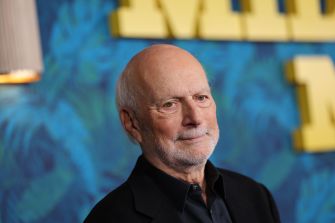
James Burrows, the acclaimed television director and co-creator of Cheers, whose work helped define the modern sitcom, has died at the age of 85.
Burrows passed away peacefully on Friday, surrounded by family, according to a statement provided by his relatives. No cause of death was disclosed. His passing marks the end of one of the most influential careers in television history, a six-decade run that spanned more than 1,000 episodes and left an indelible mark on generations of comedy writers, actors, and audiences.
“For more than five decades, Burrows was one of the most influential and beloved directors in television history,” his family said in a statement. “As a legendary director, mentor, and creative force, he helped shape generations of comedy and brought immeasurable joy to audiences around the world.”
Few figures have had a greater impact on the sitcom format than Burrows. Throughout his career, he played a pivotal role in some of television’s most successful and enduring comedies, helping guide series that would become cultural landmarks. From The Mary Tyler Moore Show and Taxi to Cheers, FrasierFriendsWill & Grace, and The Big Bang Theory, his résumé reads like a history of television comedy itself.
Born into a show-business family, Burrows was the son of celebrated Broadway writer and composer Abe Burrows. He initially pursued a career in theater during the 1960s before making the transition to television. One of the defining early moments of his career came through actress Mary Tyler Moore, whom he met while working on the 1967 production of Holly Golightly. Moore later hired him to direct episodes of The Mary Tyler Moore Show and The Bob Newhart Show, giving him opportunities that helped launch his television career.
By the 1970s, Burrows had established himself as one of the medium’s most talented directors. His work on Taxi earned widespread acclaim and multiple Emmy Awards, including two wins for Outstanding Directing for a Comedy Series. It was also on that he formed a creative partnership with writers Glen and Les Charles, a collaboration that would eventually lead to one of the most successful sitcoms ever produced.
In 1982, Burrows and the Charles brothers co-created Cheers, the Boston-set comedy centered around a neighborhood bar and its eccentric regulars. While the series struggled in the ratings during its first season, it gradually became one of television’s defining comedies and remains widely regarded as one of the greatest sitcoms ever made.
Burrows served as both co-creator and principal director, directing 240 of the show's 275 episodes. His influence on the series extended far beyond the camera, helping establish the rhythm, tone, and ensemble chemistry that became central to Cheers' success. The show won numerous awards throughout its run, including the Emmy for Outstanding Comedy Series, and launched the careers of stars including Ted Danson, Rhea Perlman, Kelsey Grammer, Woody Harrelson, and Kirstie Alley.
His relationship with the Cheers universe continued long after the original series ended. Burrows also directed episodes of Frasier, earning another Emmy Award for his work on the acclaimed spinoff that became a success in its own right.
Over the following decades, Burrows remained one of the most sought-after directors in television. He directed 15 episodes of Friends during the show's early years and became closely associated with Will & Grace, where his directing style helped shape the series' distinctive comedic voice. His credits eventually expanded to include NewsRadio, 3rd Rock From the SunThe Big Bang TheoryMike & MollySuperior DonutsThe Millers, and dozens of other productions.
Industry colleagues frequently credited Burrows with possessing an extraordinary ability to elevate material and bring out the best in performers. His reputation as a mentor became nearly as significant as his directing accomplishments, with generations of actors and writers viewing him as one of the defining creative figures in television comedy.
In their statement, Burrows' family emphasized that his professional achievements represented only part of his legacy. They described him as someone known throughout the industry for his kindness, generosity, and genuine interest in the people around him. According to those who worked with him, he made a habit of remembering crew members, actors, writers, and staff by name, creating an atmosphere of respect that earned him admiration across every level of production.