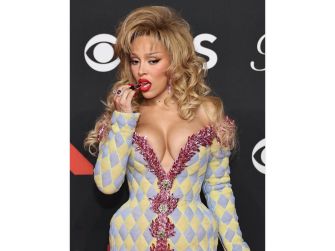
Doja Cat has publicly reconsidered her recent criticism of actor Timothée Chalamet, acknowledging that her reaction to his comments about opera and ballet was less about the art forms themselves and more about the dynamics of online attention and social media engagement.
The Grammy-winning artist initially responded to Chalamet after remarks he made during a CNN and Variety town hall conversation with Matthew McConaughey. During the discussion, Chalamet expressed concern about the future of movie theaters and suggested he did not want cinema to follow the path of what he described as more niche art forms, such as opera and ballet, which he characterized as struggling to maintain broad public interest.
His comments quickly circulated online and drew criticism from both fans and figures within the performing arts world. Doja Cat joined that reaction with a TikTok video in which she defended the cultural importance of opera and ballet and criticized what she viewed as dismissive remarks. The video included strong language and emphasized the long histories of both art forms.
However, in a follow-up video posted shortly afterward, the artist took a notably different tone. She acknowledged she had no direct experience with either opera or ballet and said her earlier reaction was impulsive.
In the second video, Doja Cat said she had never attended a live opera or ballet performance and admitted that her response was influenced by the online environment rather than personal knowledge of the subjects. She described her earlier comments as an example of what she called “virtue signaling,” explaining that she felt drawn into the broader social media reaction surrounding Chalamet’s remarks.
She suggested that her participation in the debate reflected the way online platforms often reward quick reactions and emotional responses. According to the artist, social media can create pressure to participate in trending conversations, sometimes regardless of personal familiarity with the topic being discussed.
Doja Cat also reflected more personally on the motivation behind her comments, suggesting that her reaction was partly driven by a desire for connection and validation within online communities. She characterized the experience as a reminder of how quickly public commentary can escalate and how easy it can be to participate without fully considering intent or context.
The controversy surrounding Chalamet’s original comments has extended beyond social media discourse. Several prominent figures connected to the performing arts weighed in on the discussion, defending the continued cultural relevance of opera and ballet.
Television host Whoopi Goldberg addressed the topic during a segment of The View, while French actress Juliette Binoche also commented on the issue during a public appearance at a European documentary festival. Ballet dancer Misty Copeland was among those who questioned the framing of Chalamet’s remarks, particularly given her prior professional interactions with the actor.
Opera singer Andrea Bocelli also entered the conversation, offering a more philosophical response. In public remarks, he suggested that unfamiliarity can sometimes shape perceptions of artistic relevance and emphasized the historical endurance of both opera and ballet as cultural traditions that continue to resonate with audiences.
Bocelli noted that both art forms have survived for centuries because they address enduring human themes such as emotion, beauty, and storytelling. He suggested that their longevity reflects their continuing ability to connect with audiences rather than a decline in relevance.
Chalamet has not publicly responded further to the criticism as of now.