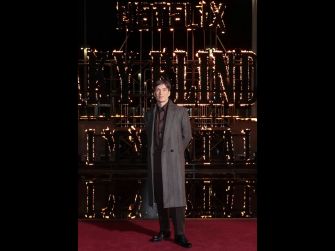
Cillian Murphy is returning as Tommy Shelby in Peaky Blinders: The Immortal Man, a feature-length continuation of the acclaimed crime series that shifts the story into the early years of World War II. The film, which premieres on March 20 on Netflix, places the Shelby family against the backdrop of rising fascism, with elements of the plot involving British gangsters collaborating with Nazi forces in an effort to destabilize the U.K. economy.
In an interview with The Telegraph, Murphy addressed the political resonance of introducing Nazis as antagonists at a time when extremist rhetoric has resurfaced in certain corners of public discourse. When informed that some political commentators have openly expressed alignment with Nazi ideology, Murphy described the development as “profoundly upsetting.”
At the same time, he emphasized that the film is not intended as overt political commentary. “The last thing I want to be involved in is preachy or dogmatic work,” Murphy said. “Films should never tell you how to feel. They should just ask questions.” He described The Immortal Man as an action-driven story with emotional weight, one that operates on multiple levels. According to Murphy, mainstream entertainment can be both engaging and thought-provoking without becoming didactic.
Murphy compared the approach to his experience leading Oppenheimer, directed by Christopher Nolan. That film, which chronicled the development of the atomic bomb, earned Murphy the Academy Award for Best Actor. He noted that audiences could interpret Oppenheimer as commentary on contemporary geopolitical tensions or simply experience it as a large-scale historical drama. “If you want to talk about where we are in the world… you can think about ‘Oppenheimer’ in that way,” Murphy said, adding that viewers are equally free to engage with it on a purely cinematic level.
Peaky Blinders: The Immortal Man continues the saga that began with Peaky Blinders, which ran for six seasons and chronicled the rise of the Shelby crime family in post–World War I Birmingham. The series earned critical acclaim for its stylized direction, historical undertones, and Murphy’s portrayal of Tommy Shelby as a calculating yet psychologically scarred leader.
The film expands the Shelby narrative into the late 1930s and early 1940s, as fascism spreads across Europe. Joining Murphy in the cast is Barry Keoghan, who plays Duke Shelby, Tommy’s illegitimate son and the new leader of the Peaky Blinders gang. Returning cast members include Stephen Graham as Hayden Stagg and Ned Dennehy as Charlie Strong. New additions to the ensemble include Rebecca Ferguson and Jay Lycurgo.
By situating the story during the rise of Nazi influence in Europe, the film inevitably intersects with contemporary conversations about extremism and nationalism. Murphy’s comments suggest, however, that the filmmakers aim to preserve the tone that defined the series: morally complex, character-driven, and resistant to overt moralizing.
“The best mainstream entertainment operates simultaneously on those levels,” Murphy said, underscoring his view that films should invite reflection rather than dictate conclusions.