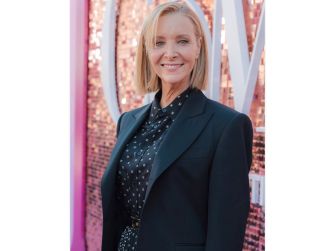
More than a decade after its last season, TV series The Comeback returns with a premise that feels less like satire and more like a projection of where television may be headed. At the center, once again, is Valerie Cherish, played by Lisa Kudrow, a character whose ongoing struggle for relevance continues to double as commentary on the industry itself.
Since its debut in 2005, The Comeback has built a reputation for anticipating shifts in television before they fully take hold. The first season examined the rise of reality TV at a time when the format was still consolidating its dominance. The second, released in 2014, focused on the growing influence of streaming platforms and the emergence of prestige television. In both cases, what initially read as exaggerated satire later proved uncomfortably accurate.
Season 3 takes on a more immediate subject: the integration of artificial intelligence into the creative process. The new episodes follow Valerie as she prepares to star in a traditional multi-camera sitcom, only to discover that the scripts are being generated by an AI system rather than a writers’ room. The network behind the show, a fictional entity reflecting current consolidation trends, is less concerned with originality than with efficiency and output. The goal is not to create standout television, but something functional enough to fill time.
That premise reflects a broader anxiety within the industry. As studios experiment with automation and cost-cutting measures, the role of writers and creative labor is increasingly under scrutiny. The Comeback does not treat the issue abstractly; instead, it embeds it directly into the production of Valerie’s show, where human input is minimized in favor of algorithmic speed.
At the same time, the series continues to develop its existing characters. Valerie is no longer on the margins of the industry in the same way she once was. She has achieved a degree of recognition, including an Emmy win, and occupies a more stable position professionally. Still, her status remains fragile, shaped by the same power structures that defined earlier seasons.
Supporting storylines expand on that dynamic. Her husband, Mark, navigates his own personal shifts, while her manager, Billy, confronts questions about purpose and identity. The show also addresses the absence of longtime characters, including a tribute to Valerie’s former hairdresser, played by the late Robert Michael Morris.
New additions to the cast reflect the current media landscape. A social media manager oversees Valerie’s online presence, while network executives and showrunners represent a system increasingly driven by data and metrics. Among them is a pair of writers tasked not with writing, but with supervising the AI responsible for generating scripts, a role that underscores the shifting definition of creative work.
The series does not present a simple argument against technology. Instead, it frames the issue as a tension between efficiency and unpredictability. One of the central ideas repeated throughout the season is the distinction between what is “good enough” and what is genuinely memorable. The AI is capable of producing structurally sound jokes, but lacks the unpredictability that comes from lived experience and collaboration.