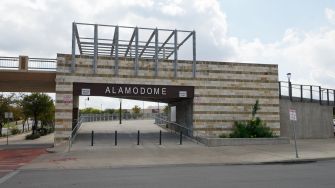
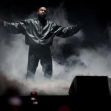
A growing debate surrounding Kanye West's planned return to the stage has reached Texas, where San Antonio Mayor Gina Ortiz Jones is publicly calling for the cancellation of the rapper's upcoming Fourth of July concert at the Alamodome.
The mayor voiced her opposition this week, arguing that a city-owned venue should not host an artist whose recent years have been marked by repeated antisemitic remarks and public controversies. Her comments add to mounting political pressure surrounding West's live performances, which have faced scrutiny, protests, and cancellations in multiple countries.
“I support canceling the @kanyewest concert,” Ortiz Jones wrote on social media. “Military City USA should not host someone with a record of hate speech and antisemitic comments in a city-funded facility like our Alamodome, not ever, and certainly not on July 4th.”
The timing of the scheduled concert has become a central part of the controversy. The performance is currently set to take place on Independence Day, coinciding with celebrations marking the 250th anniversary of the United States. For critics, including Ortiz Jones, the date adds another layer to concerns about providing a public platform to an artist whose comments have repeatedly drawn condemnation from civil rights organizations, Jewish advocacy groups, and political leaders.
The San Antonio dispute follows a similar effort in Florida, where Senator Rick Scott recently urged local authorities to reconsider West's scheduled appearances at Raymond James Stadium in Tampa. While neither campaign has succeeded in halting the performances so far, they reflect the continuing backlash that has followed the artist since a series of antisemitic statements and public praise of Adolf Hitler sparked widespread outrage.
Those controversies have had a direct impact on West's ability to perform internationally. Several planned appearances over the past year have been canceled or disrupted amid public opposition and government intervention.
One of the most high-profile setbacks came when organizers of London's Wireless Festival reportedly dropped plans involving West after visa issues prevented him from entering the United Kingdom. A separate concert scheduled in Poland was also canceled following criticism tied to his previous comments about Jewish people and Nazism. Similar objections have surfaced elsewhere as promoters, local officials, and advocacy groups debate whether venues should continue doing business with the rapper.
At the same time, West has attempted to publicly address the controversy. In January, he published a full-page advertisement in The Wall Street Journal apologizing for years of inflammatory remarks and acknowledging the damage caused by his actions.
In the statement, West linked many of his comments to longstanding mental health struggles and described himself as having been in a "fractured state" during some of the most controversial periods of his public life. He expressed regret for promoting Nazi imagery and denied being either a Nazi or an antisemite. “I regret and am deeply mortified by my actions,” he wrote, adding that he was committed to accountability and treatment.
The apology, however, has not ended the criticism. Many opponents argue that the impact of his previous statements continues to outweigh subsequent efforts at reconciliation, particularly given the scale of his public platform and influence.
Despite the controversy, West has continued performing. Over the past year, he has staged concerts in several countries, including Turkey, the Netherlands, and Georgia, while also returning to major U.S. venues such as SoFi Stadium in Inglewood, California. Ticket demand has remained strong in many markets, demonstrating the complicated reality surrounding one of music's most polarizing figures: while political leaders and advocacy groups continue to push back, a substantial audience remains willing to attend his shows.