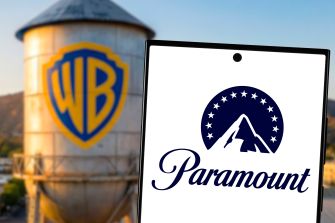
A coalition of prominent actors, writers, and directors is publicly opposing a proposed merger between Paramount Global and Warner Bros. Discovery, warning that further consolidation could significantly reshape the entertainment industry to the detriment of creators and audiences alike.
In an open letter signed by more than 1,000 industry figures, the group expressed “unequivocal opposition” to the deal, arguing that it would intensify an already concentrated media environment. Among the most recognizable names attached to the letter are Kristen Stewart, Ben Stiller, Lin-Manuel Miranda, Joaquin Phoenix, and Jane Fonda.
The signatories contend that the proposed acquisition would reduce the number of major Hollywood studios to four, limiting competition at a time when the film and television industries are already undergoing structural change. According to the letter, such consolidation could result in fewer employment opportunities, a narrower range of creative projects, and rising costs for consumers.
The document frames the merger as part of a broader trend that has already reshaped the industry over the past decade. It points to a decline in mid-budget films, reduced support for independent distribution, and shrinking international sales markets as consequences of previous corporate mergers. The letter also highlights concerns over diminishing profit participation for creators and what it describes as the erosion of meaningful screen credit standards.
A wide range of additional talent signed onto the statement, including actors such as Bryan Cranston, Mark Ruffalo, Don Cheadle, Glenn Close, and Javier Bardem, alongside filmmakers including David Fincher, Denis Villeneuve, and Adam McKay. The breadth of participation reflects a rare moment of alignment across different sectors of the entertainment business.
Central to the group’s argument is the idea that fewer corporate decision-makers will further concentrate control over what types of stories are produced and distributed. The letter states that a “small number of powerful entities” already exert significant influence over the marketplace, leaving independent creators with limited pathways to sustain their work. Expanding that concentration, it argues, would deepen existing inequities.
The proposed deal itself stems from a competitive bidding process earlier this year, in which Paramount emerged ahead of Netflix with a reported $111 billion offer for Warner Bros. Discovery. The transaction is being led by Skydance CEO David Ellison, whose company previously completed its acquisition of Paramount.
The merger remains subject to regulatory review in the United States and abroad. State attorneys general, including Rob Bonta, are currently examining the potential competitive impact of the deal and could pursue legal action to block it. Federal approval will also be required before the acquisition can proceed.
Criticism of Ellison’s broader strategy has also surfaced in recent months, particularly following changes implemented at Paramount after its acquisition. Those moves reportedly included the rollback of diversity and inclusion initiatives and leadership changes within CBS News. Reports have also suggested that Ellison discussed potential editorial shifts at CNN as part of his long-term plans.
Representatives for Paramount and Warner Bros. Discovery have not publicly responded to the open letter.