Months after the death of Ozzy Osbourne, his family is moving forward with an ambitious digital project designed to preserve his presence through artificial intelligence, and naturally, not everyone is convinced it’s a good idea.
Now, Jack Osbourne is responding directly to criticism surrounding the planned AI-powered version of his father, insisting the technology-driven project will be handled with care and sophistication rather than becoming a gimmick.
The controversy began last week when the Osbourne family unveiled a partnership with tech companies Hyperreal and Proto Hologram to create an interactive digital version of the Prince of Darkness. The AI-powered avatar, announced at Licensing Expo 2026 in Las Vegas by Jack and Sharon Osbourne, is expected to launch later this summer across Proto Luma units in both the United States and the United Kingdom.
According to the family, the digital Ozzy will not function as a static hologram or pre-programmed novelty attraction. Instead, the project is being positioned as a real-time interactive AI experience capable of responding directly to fans using Ozzy’s voice, personality, and communication style.
The announcement immediately sparked backlash online, with some fans questioning the ethics of digitally recreating a deceased artist, particularly amid broader cultural concerns over artificial intelligence’s role in entertainment. Critics raised concerns about consent, authenticity, and whether such a project risks turning a beloved musician’s legacy into a technological spectacle.
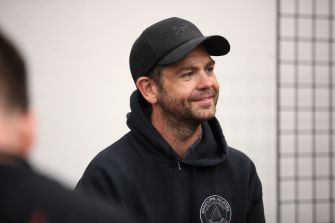
Jack Osbourne addressed those concerns during a livestream Q&A over the weekend, pushing back firmly against the idea that the project would be exploitative or cheaply executed. “Here’s the thing,” he said. “It’s going to be so tasteful what we’re doing. It’s not going to be lame.”
Jack emphasized that the technology involved goes far beyond a basic chatbot interface or synthetic voice generator. “This isn’t just hooking up an image of my dad to ChatGPT,” he explained. “This is some high-level technology that we’re going to be working with, and it’s going to feel very real.”
That distinction appears central to the family’s defense of the project. As AI-generated likenesses become increasingly common across entertainment, backlash often centers on whether audiences are being offered something genuinely innovative or simply an uncanny imitation with limited emotional or artistic value. The Osbournes argue this project falls into the former category.
More notably, Jack said the idea was not conceived after Ozzy’s death, but had been discussed directly with the musician while he was still alive. “It’s something that I think my dad would be into,” Jack said. “We actually talked about it before he passed, about doing something like this. I know he would be into this.”
That claim may ease some ethical concerns among fans who viewed the announcement as a posthumous commercialization of Ozzy’s image without his involvement.
Sharon Osbourne, speaking at the original launch event, described the experience in similarly ambitious terms, suggesting users would be able to engage in dynamic conversation with the AI version of her husband. “You can ask digital Ozzy anything,” she said. “He will answer you in his own voice, and the answers will be what Ozzy would have said.”
Hyperreal CEO Remington Scott has described the avatar as something closer to a live performance engine than a prerecorded simulation. According to the company, the technology relies on proprietary “Digital DNA” systems built using authenticated source material to replicate not just voice and appearance, but behavioral patterns. “This isn’t pre-rendered content playing on a loop,” Scott said in comments previously shared with media outlets. “It can perform live, respond to audiences, and exist within interactive environments.”
That positioning reflects a rapidly evolving entertainment industry increasingly exploring digital resurrections, AI-assisted performances, and virtual celebrity extensions, developments that remain deeply divisive among both artists and fans.
Ozzy Osbourne built his legacy through unpredictability, dark humor, larger-than-life stage presence, and a singular personality that often felt impossible to replicate.