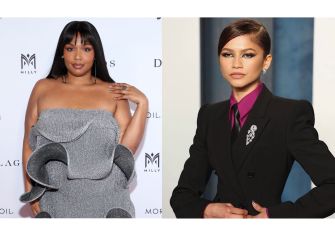
A new wave of music biopics centered on female artists is taking shape in Hollywood, signaling a shift in a genre long dominated by films about male performers. Among the most anticipated is Be My Baby, the upcoming Ronnie Spector biopic from A24. The studio recently confirmed that Barry Jenkins will direct the film, with Zendaya starring as the Ronettes frontwoman. The project draws from Spector’s 1990 memoir Be My Baby: How I Survived Mascara, Miniskirts, and Madness, and the singer personally selected Zendaya for the role before she died in 2022.
The film will reportedly focus in part on Spector’s tumultuous six-year marriage to producer Phil Spector, a defining and controversial chapter of her life. By narrowing its lens rather than attempting a cradle-to-grave narrative, Be My Baby reflects a broader trend among the new generation of female-led music films: prioritizing specificity over sweeping chronology.
Several other high-profile projects are in development. Shailene Woodley has spent years developing a biopic about Janis Joplin, backed by Temple Hill Entertainment and supported by a California Film Commission tax credit. Woodley has said she intends to perform Joplin’s songs herself and has been working closely with producer Linda Perry to develop the vocal approach. The film has been in development for more than seven years, underscoring the lengthy and often complicated process behind music biopics, particularly when estates and music rights are involved.
A separate project centered on Linda Ronstadt is also moving forward, with Selena Gomez attached to star. Directed by David O. Russell and co-produced by Ronstadt’s longtime manager John Boylan and producer James Keach, the film is authorized and reportedly based in part on Ronstadt’s memoirs. Gomez has described the singer as artistically fearless and emphasized the filmmakers’ commitment to doing justice to her legacy.
Another developing project will see Lizzo portray pioneering guitarist Sister Rosetta Tharpe, whose influence on rock and roll has historically been underrecognized. Meanwhile, My Mama Cass, a film about Cass Elliot of the Mamas and the Papas, was announced in 2026. The film is based on a memoir by her daughter, Owen Elliot-Kugell, and is positioned not as a traditional band biopic but as a portrait centered on Elliot’s life and mother-daughter relationship. Actress Jessica Gunning is attached to star.
The momentum behind these films follows years of commercially and critically successful male-centered biopics, including Bohemian Rhapsody about Freddie Mercury, Elvis about Elvis Presley, and A Complete Unknown, which dramatized the early career of Bob Dylan. Those projects earned major awards, recognition, and box office returns, reinforcing the viability of the genre.
What distinguishes the current slate of female-focused films is a noticeable effort to recalibrate narrative priorities. Rather than centering solely on romantic turmoil or personal decline, many of the projects emphasize artistic agency, creative evolution, and cultural context. That shift is particularly significant given the history of music biopics that have sometimes reduced female artists to cautionary tales or framed their stories primarily through relationships.
The development timeline for such films remains complex. Securing estate approval, negotiating music licensing, and assembling creative teams can take years. Still, the growing list of projects suggests that studios see both commercial opportunity and cultural urgency in telling these stories.
Whether all of these films ultimately reach theaters remains to be seen. Music biopics are notoriously fragile productions, vulnerable to financing shifts and rights complications. But the concentration of female-led projects currently in motion marks a clear evolution in the genre. For decades, Hollywood’s music biopic boom largely celebrated male legends. Now, the spotlight is expanding, and long-overdue narratives about women who shaped rock, pop, and soul are moving to the forefront.